A Real Designer's Review of the "Woman Reading a Book" Embroidery Design
When a new embroidery design lands in my digital library, my first question is never about its specs. It’s about its soul. What mood does it carry? Where would it naturally live? Opening the "Woman Reading a Book" design, I immediately felt a quiet, contemplative charm. It’s not a loud statement piece; it’s an intimate, thoughtful vignette. The linen-inspired aesthetic gives it a handmade, almost heirloom quality right from the preview. This isn't a design for sportswear logos—it belongs on items that tell a softer story.
The Quiet Appeal: Where This Design Finds Its Home
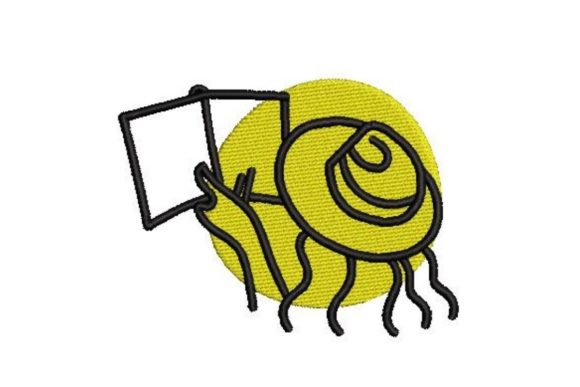
The composition is gentle. A woman engrossed in a book, rendered with a pleasing balance of detail and simplicity. It avoids overly dense fill areas, suggesting it will stitch out cleanly without becoming a stiff, heavy patch on fabric. This visual personality whispers "gift." I pictured it instantly on a linen pillow cover for a cozy reading nook, or as a delicate accent on the corner of a cotton blanket. For crafters and small shop owners, this design elevates basic items into narrative pieces. A simple tea towel becomes a boutique kitchen accessory; a plain tote bag transforms into a thoughtful gift for a book lover.
Its theme is universally warm, making it wonderfully versatile for personalized gifts. Imagine a baby’s nursery blanket with this design and a name embroidered beneath—it creates a gentle, literary touch without being overly childish. For wedding gifts, a set of embroidered pillow covers with this motif could be incredibly personal. As an Etsy seller, I know designs like this resonate because they feel timeless and connect to a hobby or passion. Customers aren't just buying a sweatshirt; they’re buying a representation of a quiet moment they cherish.
Stitching It Into Reality: Performance on Real Products
Let’s talk application. I mentally run this design through my typical project lineup. On a mid-weight cotton sweatshirt, positioned over the heart or on a sleeve, it should work beautifully. The likely mix of satin stitch for outlines and fill stitch for the book and dress means it will have good definition without excessive stitch density that can distort stretchy fabrics. For a tote bag, it’s a perfect focal point—substantial enough to be noticed but not so large it dominates the bag.
Creating an embroidered patch with this design is a strong possibility. Its contained shape and likely clean borders would make for a great standalone patch to apply to caps, aprons, or jackets. For baby clothes, like a little romper, I’d consider scaling it down carefully. The smaller details, like the woman’s features and the book lines, need to be inspected in a test stitch to ensure they remain clear at a reduced size. This is crucial for maintaining the design's integrity on smaller items.
Where a Careful Approach is Needed
While versatile, this design requires smart application. On very textured fabrics like a thick sweater, the finer running stitch details might get lost. On dark fabrics, thread color choice becomes paramount—you’d need a color palette with enough contrast to keep the serene feeling intact, not just high-contrast white. Stitching onto curved surfaces like caps demands attention to the design’s orientation and size to avoid distortion.
The most important note: always test on scrap fabric first. This isn't just about checking for errors. It’s about seeing how the thread colors interact with your final product’s fabric, how the stabilizer performs, and whether the stitch density feels right for the material. For commercial embroidery projects or selling finished products, this test is your quality control. It builds customer trust because the final handmade product looks professional and intentional.
Beyond the Stitches: Value for Makers and Businesses
For creative entrepreneurs, a design’s appeal is twofold: how it stitches and how it sells. "Woman Reading a Book" has a giftable, recognition-friendly quality. It doesn’t require explanation; its charm is immediate. This makes it excellent for holiday gifts, small shop merchandise, or craft fair products. In a printable mockup for an Etsy listing, it would present as a high-value, artful addition rather than a generic decoration.
Using it for brand consistency for a boutique focusing on literary or cozy home goods could be very effective. It becomes a recognizable design asset across different products—from aprons to pillow covers. For digital product sellers offering the embroidery file itself, clear notes about its best applications (like recommending it for lighter fabrics or gift items) add tremendous value and professionalism to your offering.
A Designer's Practical Checklist Before You Hoop
- Confirm the actual hoop size requirement from the provided embroidery file formats. Don’t assume.
- Review the stitch density in your software, especially in areas like the book or dress fill, to gauge its suitability for thin or stretchy fabrics.
- Plan your thread colors considering both light and dark fabric backgrounds. Sometimes a softer contrast on dark fabric maintains the mood better than stark white.
- Inspect the small details: the facial features and book text. Ensure they are clear enough for your intended project size.
- Always, always check the licensing terms included with the design. Understand clearly if it’s suitable for personal use, commercial finished products, or digital resale. This is non-negotiable for business use.
- Think beyond apparel. This design’s mood lends itself beautifully to home decor items and keepsakes.
In the end, the "Woman Reading a Book" machine embroidery design feels like a reliable, charming tool for the maker’s toolkit. It brings a specific atmosphere to a project—one of calm and intellect. Its real value is realized when paired with the right product and executed with care. For the crafter looking to add a fancy touch, as the description says, it delivers that touch not through flashiness, but through a quiet, embroidered story waiting to be stitched onto something real.