A Wild Cat Face Embroidery Design Review for Craft Fair Success
First Impressions: Bold, Decorative, and Market-Ready
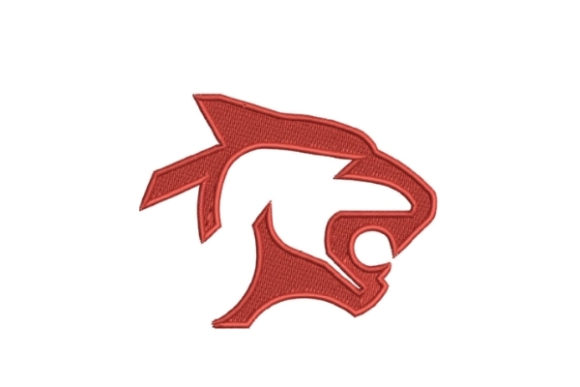
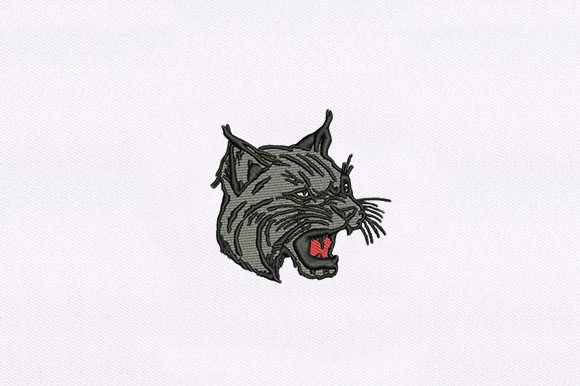
When preparing for a craft fair, the first glance at a new design is crucial. Wild Cat Face immediately strikes me as a bold and decorative design. The name itself suggests something untamed and graphic, not a soft, cuddly kitten. This is a strength. At a bustling market, designs need to command attention from a few feet away. This cat face, with its implied sharp lines and expressive features, feels like it will pop on a product display. It leans into a modern, slightly rustic aesthetic—perfect for the current handmade market where buyers look for pieces that feel both natural and statement-making.
Where Wild Cat Face Will Stand Out on Your Booth Table
Your booth is a visual story. Where does this design fit in? Based on its described size and likely visual weight, I see it shining on specific products.
Prime Product Candidates
Tote bags and market bags are a top contender. A bold Wild Cat Face centered on a natural canvas or linen tote creates a premium, artisanal feel. It’s not just a bag; it’s a wearable piece of art. Similarly, on aprons—particularly a chef-style apron—this design adds a fantastic personal touch, turning a functional item into a signature kitchen statement.
Pillow covers are another excellent home decor avenue. A single Wild Cat Face embroidered on a linen pillow can anchor a cozy, modern-rustic vibe in your display. For smaller, quicker-to-produce items, consider fabric pouches or tea towels. On a towel, ensure you use a smooth, high-quality cotton; the texture of a standard terrycloth towel might fight with the design’s details.
The Power of the Patch
An embroidered patch featuring the Wild Cat Face is a versatile and high-margin product. It appeals to a broad audience—from those wanting to customize a jacket to bag makers looking for an appliqué. Patches are also fantastic booth samples; they are easy to display in small frames or pin to a fabric swatch, showing the craftsmanship directly.
Considerations for Caps and Dark Fabrics
While the described hoop size suggests it could fit on a cap, be cautious. Embroidering on a curved, structured cap surface requires a design that can handle distortion. The dense stitching implied by a higher stitch count might create a stiff, bulky area on the cap’s front. Always test on a scrap cap first. Similarly, on dark fabrics, thread color choice is paramount. You’ll need high-contrast, likely lighter threads to ensure the Wild Cat Face doesn’t get lost.
Practical Production: Turning a File Into Sellable Products
As a digital embroidery file, the real work begins in your studio. The provided wide range of formats is a commercial seller’s dream, ensuring compatibility with most machines. However, the specifics of stitch count and exact dimensions are critical. Always confirm the precise hoop size and stitch density from your file before production. A design with over 13,000 stitches in a 4x4 hoop area indicates significant density.
Key Production Checks for Quality
- Test on scrap fabric: Never run a new design on your final product fabric first. Use a similar weight and color scrap to check for puckering, thread breaks, or registration issues.
- Inspect stitch density: High density can lead to stiff, board-like embroidery on lightweight fabrics like tea towel cotton. It may require a stronger stabilizer or a switch to a more robust base fabric like canvas.
- Review spacing and clarity: At approximately 3 inches, this is a medium-sized accent. Ensure any tiny details, like fine whiskers or eye highlights, remain clear at this finished size. If the design feels crowded, it may lose appeal as a small focal point.
- Create a real mockup: Before batch production, make at least one finished product—a tote bag or pillow cover. This lets you evaluate the handmade quality, how it photographs, and its physical feel.
The Batch Production Mindset
For a craft fair, you often need inventory. Is Wild Cat Face repeatable? Its bold, graphic nature makes it excellent for batch work. Customers buying from a booth expect consistency. The design isn’t overly complex with microscopic details that vary between runs, which is good. Focus on maintaining perfect thread tension and consistent fabric placement in the hoop for every item.
Selling the Story: Photography, Value, and Booth Impact
How this design photographs for your Etsy listings or booth samples is a major sales factor.
Capturing Customer Attention Online and In-Person
A bold Wild Cat Face will photograph beautifully against a neutral background. The contrast and definition should translate well into digital images, making your online listings pop. At the fair itself, products featuring this design become natural focal points on your table. Cluster them together—a row of cat face totes, a stack of embroidered pillows—to create a strong visual theme that draws buyers in.
Elevating Product Value and Brand Consistency
This design elevates a simple product. A plain tea towel becomes a premium home decor item. That perceived increase in value allows for a healthier price point. Furthermore, if your brand leans towards modern, rustic, or nature-inspired aesthetics, Wild Cat Face reinforces that consistency. It tells a cohesive story about your small shop’s style.
Engagement comes from the design’s character. It’s not a generic cat; it’s “wild.” This sparks conversation. Buyers might connect it to their own pets, a love for wildlife, or simply the striking graphic appeal. That emotional hook is where a sale is sealed.
Final Designer Notes Before You Hoop the Fabric
Embroidery is a blend of art and precise engineering. For Wild Cat Face, your preparation will define its success as a craft fair product.
- Thread Contrast is Key: Choose thread colors that maximize visual punch against your chosen fabric palette. Test combinations.
- Stabilizer Selection: Match your stabilizer to the fabric and the design’s density. A cut-away stabilizer might be necessary for lightweight fabrics to handle the stitch load.
- Commercial Licensing: Always confirm the licensing terms of your embroidery file. Ensure you have the right to sell the finished commercial embroidery products you create.
- Booth Display Strategy: Plan how you’ll show these items. Will the Wild Cat Face tote be hung, or folded? Will patches be displayed in a clear jar? Make the embroidery the hero.
In conclusion, Wild Cat Face presents a compelling opportunity for craft fair sellers and handmade shop owners. Its bold, decorative nature translates well to high-impact products like totes, aprons, and pillows. By paying close attention to production details—testing on scraps, managing stitch density, and perfecting your photography—you can transform this machine embroidery design into a standout line that captures attention, tells a story, and ultimately, drives sales at your weekend market booth.