Cowboy Hat Sketch Embroidery: Craft Fair Gold
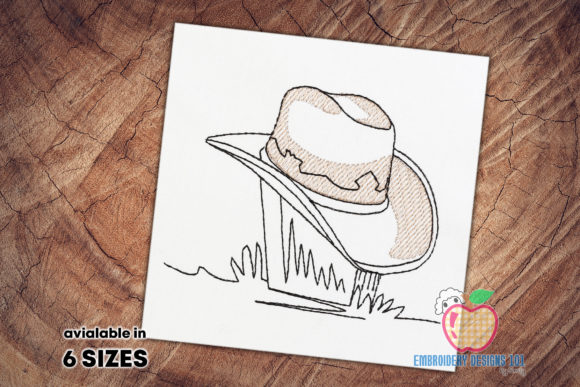
As someone who stitches designs onto products for sale week after week, my first look at Cowboy Hat Sketch tells me this is a craft fair winner. The title alone evokes a clear, classic image—it feels rustic, friendly, and instantly recognizable. This isn't a fussy, overly detailed illustration; it’s a sketch. That means it leans toward a hand-drawn, artisanal quality which is perfect for handmade markets. The description confirms it: fun and easy to stitch, multiple sizes, and not fully filled so the fabric shows through. This is key. It suggests a lighter stitch density, which means faster production times and a softer, more textural finished look that customers love because it feels genuinely handmade, not manufactured.
First Impressions & Booth Placement Power
When I imagine setting up my booth, I think about visual flow. Cowboy Hat Sketch has a decorative, rustic charm that isn't overly masculine or feminine—it has broad appeal. It wouldn’t be the bold, festive centerpiece of my display, but it would be a reliable, strong anchor design. Placed on a tote bag or apron at the front of the table, it catches the eye because it’s simple to understand at a glance. A customer walking past doesn’t need to “figure it out.” They see a cowboy hat, and it immediately connects with a certain lifestyle, aesthetic, or sense of fun. This instant recognition is a huge advantage in a busy market environment.
Product Performance: Where This Design Stands Out
Not every machine embroidery design works on every surface. Cowboy Hat Sketch, with its sketch-style lines and open fill, is remarkably versatile. Here’s my practical evaluation for common craft fair products.
Tote Bags & Market Bags
This is a prime candidate. The design feels both decorative and functional on a bag. Because it’s not 100% filled, it won’t create a stiff, heavy patch of stitching on softer canvas or linen, maintaining the bag’s flexibility. It works as a medium-sized focal point on the front panel. The rustic vibe aligns perfectly with a natural fabric tote.
Aprons & Tea Towels
For kitchen textiles, this design injects a farmhouse, Western charm. On an apron, stitching it on the chest pocket or lower skirt adds personality without being overwhelming. On tea towels, the key is fabric texture. Since the stitches aren’t dense, the design will sit nicely on the textured surface of a towel without puckering or looking lost. It’s ideal for a set of coordinated kitchen goods.
Caps & Patches
Caps are a tricky curved surface, but a sketch design with lighter stitching often handles curves better than dense fills. Cowboy Hat Sketch would make a great side or front panel accent on a cap, offering a subtle thematic statement. As a standalone embroidered patch, it’s excellent. The open fill makes the patch more flexible and easier to apply. Patches are low-cost, high-margin items that sell well at fairs.
Pillow Covers & Fabric Pouches
For home decor items like pillow covers, this design adds a touch of rustic, casual decor. It’s not overly themed, so it can fit in a cozy living room. On small fabric pouches or gift bags, it acts as a perfect branding element—a cute, clear decoration that elevates a simple product.
Production & Selling Practicalities
Turning a digital embroidery file into a profitable, batch-produced craft fair product requires careful planning. Here’s my breakdown for Cowboy Hat Sketch.
Ease of Production & Batch Making
The description says “fun and easy to stitch,” which from a production standpoint is crucial. A design with reasonable stitch counts and clear areas means less thread consumption, fewer bobbin changes, and faster machine run times. This makes batch production of, say, twenty tea towels or ten tote bags, much more practical. The multiple sizes included are a massive benefit. I can use a smaller version for a cap or pouch and a larger one for a tote bag, all from one file purchase, ensuring brand consistency across my product line.
Photography & Online Sales
For my Etsy listings or printable mockups, this design photographs well. The sketch style, with the fabric visible through the stitches, creates a nice contrast and depth in photos, emphasizing the handmade quality. It won’t look flat or synthetic. On a dark fabric, however, I need to be strategic with thread color choice—a light thread will pop, but the open fill might mean I need a higher contrast to maintain clarity. I always test on actual dark scrap fabric first.
Customer Attention & Perceived Value
At the booth, a product with Cowboy Hat Sketch embroidery feels thoughtfully designed, not mass-produced. The visible fabric through the stitches is a subtle detail that engaged customers notice and appreciate—it speaks to craft. This increases the perceived value and justifies a premium price point compared to a plain item. It’s a design that encourages a story: “I love the rustic sketch of the hat,” which fosters buyer engagement.
Careful-Use Notes & Designer Recommendations
Even with an “easy” design, practical hurdles exist. My advice for using Cowboy Hat Sketch commercially:
- Always Create a Real Mockup First. Stitch it on a scrap of the exact fabric you plan to use for production—whether it’s canvas, linen, terry cloth for towels, or cap material. Check for puckering, clarity, and how the open fill interacts with that specific fabric texture.
- Thread Contrast is Critical. Because it’s not a solid fill, the contrast between thread and fabric color must be strong enough for the design to read clearly, especially at smaller sizes. Test both light and dark fabric combinations.
- Stabilizer Choice Matters. Even with lighter density, using the correct stabilizer for the fabric type is non-negotiable to achieve clean stitches and prevent distortion.
- Review the Included Sizes. Before production, check the exact hoop sizes the design files come in. Ensure your chosen product can physically accommodate the hoop size needed for your preferred version of the design.
- Check Licensing for Commercial Use. The description doesn’t specify license terms. As a digital seller or small shop owner, I must confirm the embroidery file’s license explicitly allows me to sell finished, embroidered products before I stitch anything for my booth.
- Consider Small Accent Applications. The smallest size of Cowboy Hat Sketch could be perfect as a subtle branding mark on smaller items like the corner of a pouch or a handkerchief, adding cohesion to your entire product line.
Final Booth-Ready Judgment
Cowboy Hat Sketch is a reliable, versatile embroidery design for the handmade market. It isn’t the flashiest design in my catalog, but it’s the kind of workhorse that sells consistently because it’s clear, charming, and production-friendly. It elevates basic products like tote bags and towels into themed, desirable items without requiring complex stitching or excessive time. For craft fair sellers, embroidery business owners, and boutique makers looking for a design with rustic appeal that can be adapted across a range of products, this sketch is a solid investment. My final step is always to stitch that first real sample, place it among my booth samples, and see how customers react—with this design, I anticipate a lot of positive nods and inquiries.