Why Duck Toy for Kid Is a Craft Fair Standout
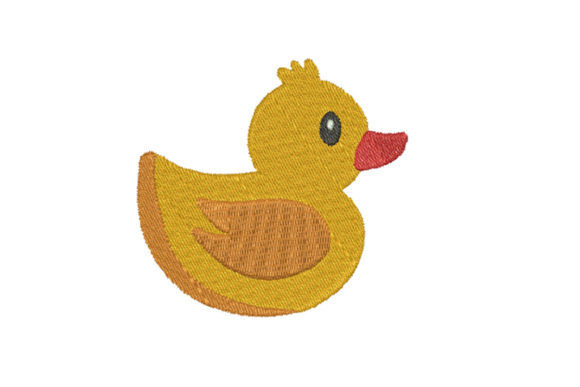
From a professional embroidery designer’s perspective, reviewing a design like Duck Toy for Kid is about visualizing it on real products at a busy craft fair booth. This cheerful and fun embroidery of a cute duck toy immediately presents itself as playful and soft—a design that leans into a sense of childhood whimsy rather than being bold or rustic. It feels decorative, approachable, and inherently giftable. When I imagine my table display filled with embroidered totes, aprons, tea towels, and pillow covers, this duck design has a specific, warm appeal that can capture a customer’s glance amidst more generic patterns.
Where Duck Toy for Kid Works Best on Display
Based on the description mentioning swimsuits, towels, robes, and pajamas, the core application is clearly children’s apparel and bath items. For a craft fair seller, however, you need to think about what products are most practical and eye-catching to produce and display at your booth. A duck toy for kid embroidery would shine exceptionally well on a few key items.
- Pillow Covers: Given the product category is Bed, a small, embroidered pillow cover for a child’s bed or reading nook becomes an instant, cohesive product. It feels premium and handmade.
- Tote Bags & Market Bags: A single, well-placed duck on a linen tote bag creates a charming, family-friendly accessory that appeals to parents and gift-buyers.
- Fabric Pouches & Small Gift Items: Embroidered onto a simple drawstring pouch, it turns a utilitarian item into a special gift for toys or bath time essentials.
- Tea Towels & Kitchen Towels: While the description points to bath towels, a kitchen towel with this design becomes a sweet accent in a family home. The texture of towels requires careful stitching, but the result is delightful.
- Embroidered Patches: As a standalone patch, it offers versatility. Customers might buy it to personalize a child’s backpack or jacket right at the fair.
It’s less likely to be a focal point on an adult apron or cap, but could work as a smaller accent on a child-sized cap. Its true strength is on products that signal comfort, care, and childhood.
Evaluating Practical Production for Your Shop
Turning this digital embroidery file into a successful handmade product requires a practical assessment from an embroidery business owner’s viewpoint.
Design Clarity & Batch Production
The design is likely easy to understand at a glance—a classic duck toy shape. This is a major advantage for quick customer engagement at a busy fair. For production, it feels repeatable. You could efficiently batch-produce a series of pillow covers or pouches without the design feeling monotonous. However, always check the provided embroidery files for stitch count and density. Dense stitch areas on a plush toy design could mean longer machine time and require robust stabilizer, especially on textured towels or curved surfaces like caps.
Photography & Online Sales
For your Etsy listing or printable mockups, this design photographs well. Its soft, cute nature translates clearly online, adding perceived value to a simple tea towel or tote bag. Creating at least one real physical mockup is crucial. Photograph it on a light-colored fabric first to ensure all details are visible. Contrast is key; test the design on scrap fabric with your chosen thread colors to see if it pops on both light and dark backgrounds. Small, intricate details might lose clarity if the design is minimized too much, so confirm the minimum hoop size recommended in the files.
Attention, Value, and Booth Impact
How does Duck Toy for Kid affect your booth’s success? For boutique makers and creative entrepreneurs, the visual appeal drives customer attention. It’s not a loud design, but its warmth can draw in customers looking for something heartfelt and specific. This increases the perceived handmade quality and product value—a simple pillow with a cute, well-executed embroidery feels more special than a plain one. For brand consistency, if your shop focuses on family-friendly, soft decorative items, this duck toy design fits seamlessly.
Display strength comes from clustering. Don’t scatter one duck item alone. Group several products featuring the design together—a pillow, a towel, and a pouch displayed side-by-side create a compelling vignette that tells a story and encourages multiple sales. This also boosts buyer engagement; parents or gift-givers can immediately envision the item in use.
Critical Designer Notes Before You Stitch
- Always test on scrap fabric identical to your final product material (e.g., towel texture, pillow cotton).
- Review thread contrast carefully, especially if you plan to offer it on dark fabric options.
- Check spacing and stitch density in the embroidery file preview to avoid puckering on delicate fabrics.
- Use the correct stabilizer for the fabric; a towel or robe requires more support than a flat tote bag linen.
- Compare fabric colors in your inventory. Pastel backgrounds will likely complement this design best.
- Confirm commercial licensing for the embroidery file before selling any finished products at your fair or online.
The Final Take for Craft Fair Sellers
Duck Toy for Kid is a design with a clear, sweet audience. Its application extends beyond the described children’s wear into thoughtful, decorative home and gift items that craft fair shoppers love. From a production standpoint, its simplicity is a benefit, but meticulous testing on your actual materials is non-negotiable to ensure quality. When displayed with intention at your booth, it becomes more than just a machine embroidery design—it becomes a charming, sellable story about comfort and play, perfectly aligned with the handmade market’s desire for personalized, meaningful products. Focus on items that elevate its soft character, and you’ll find it quietly stands out, attracting exactly the right customers.